


















23.02.2026
How to prevent component obsolescence from delaying your project
When it comes to component obsolescence, you can rely on GD Rectifiers to get your supply chain back on track by providing a fast, modern-day alternative.

Component obsolescence is a common and major challenge for applications in sectors where extended operational lifetimes are required, such as rail, aerospace and defence. Whether you’re designing industrial power systems, rail infrastructure or renewable energy equipment, discovering that a part is obsolete can prove problematic and bring production of a system to a halt.
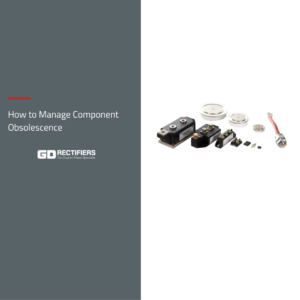
In this guide, we’ll explore how to prevent component obsolescence from delaying your project, practical strategies for long-term sourcing stability, and why working with GD Rectifiers makes component sourcing significantly easier and more secure.
What is component obsolescence?
Component obsolescence occurs when a manufacturer discontinues a part that is still being used in active designs or ongoing production. This can happen due to:
- End-of-life (EOL) announcements sent by the manufacturer
- Low market demand
- Technology upgrades
- Supply chain disruptions
- Regulatory changes
- Manfactuurer mergers or acquisitions
For engineering and procurement teams, component obsolescence can result in:
- Project delays
- Increased redesign costs
- Compliance risks
- Production downtime
- Emergency sourcing at inflated prices
Why is component obsolescence increasing?
In recent years, component obsolescence has accelerated due to:
- Rapid technology evolution
- Semiconductor shortages
- Shorter product lifecycles
- Increased global supply chain complexity
- Consolidation among manufacturers/products serving similar applications
In the power electronic industry, power semiconductor devices such as rectifiers, thyristors, IGBTs and legacy modules, are particularly vulnerable because many industries still rely on long-life equipment with 15–30-year operational expectations.
How to prevent component obsolescence from delaying your project?
- Design with lifecycle in mind
From the outset, engineers should work with distributors to establish
- Components with long lifecycle commitments
- Avoid single-source parts where possible
- Confirm manufacturer longevity and roadmap
- Prioritise industry-standard packages
Working with experienced distributors like GD Rectifiers help identify components with stable, long-term availability.
- Monitor end-of-life (EOL) notices proactively
Manufacturers typically issue Product Change Notifications (PCNs) and EOL notices months in advance.
Customers should work with distributors to:
- Track PDNs regularly
- Subscribe to manufacturer alerts or liaise with distributor to receive theirs
- Work with a sourcing partner that actively monitors lifecycle changes and communicates updates to customers
- Maintain buffer stock
Buffer stock is critical for large projects and long-lead components.
Work with a distributor that can provide:
- Hold inventory in stock, available on a shorter lead time
- Negotiate scheduled or call-off orders
- Stock agreements with manufacturers
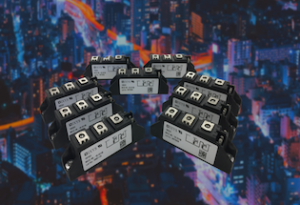
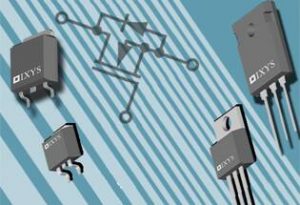
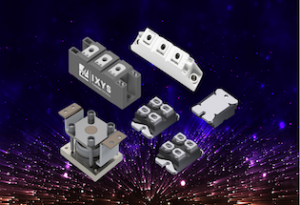
This is particularly important for industries such as rail, defence and industrial automation where redesign isn’t always feasible. At GD Rectifiers, we hold buffer stock of IXYS and Semikron semiconductor components.
- Consider approved alternatives early
Dual sourcing can reduce risk but is often only used when obsolescence is announced. It is key to consider approved alternatives early in a project, in case replacement components are required urgently following a PDN.
- Identify drop-in replacements
- Cross-reference equivalent parts
- Validate alternative manufacturers during design phase
- Plan for long term support and legacy components
Many industrial systems remain operational for decades. When OEMs discontinue parts, access to legacy or hard-to-find components become critical. Partnering with a specialist distributor ensures access to:
- Obsolete stock
- Custom manufacturing options
- Reverse-engineered solutions
- Specialist semiconductor brands
Why working with GD Rectifiers makes component sourcing easier
- Specialist expertise in power semiconductors
- Access to leading global manufacturers
- Proactive obsolescence management
- Custom and legacy solutions
- Reduced lead times and supply chain risk
Why working with GD Rectifiers makes component sourcing easier
- Specialist expertise in power semiconductors
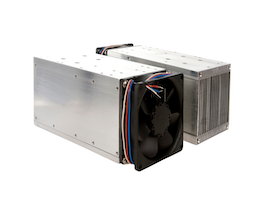
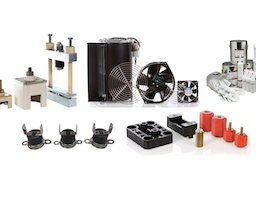
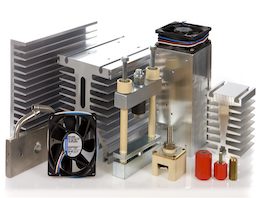
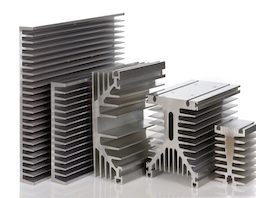
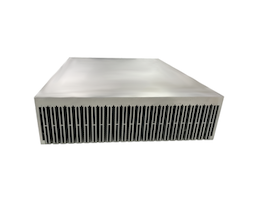
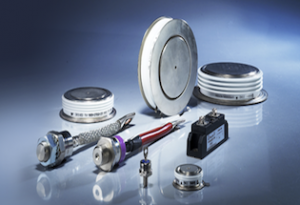
GD Rectifiers specialises in rectifiers, diodes, thyristors, IGBTs, power modules, heatsinks and power assemblies.
- Access to leading global manufacturers
GD Rectifiers works closely with trusted semiconductor brands to streamline sourcing by providing:
- Direct manufacturer relationships
- Transparent lifecycle information
- Access to official alternatives
- Reduced counterfeit risk
- Proactive obsolescence management
Rather than reacting to EOL notices, GD Rectifiers helps customers:
- Identify high-risk parts early
- Secure last-time-buy opportunities
- Arrange forward stock agreements
- Develop long-term sourcing strategies
- Custom and legacy solutions
When redesigning isn’t possible, GD Rectifiers can support with the following:
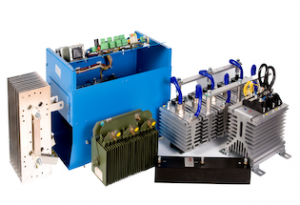
- Custom-built semiconductor assemblies
- Replacement modules
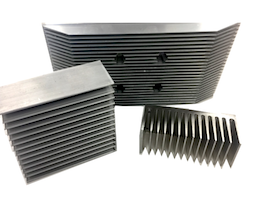
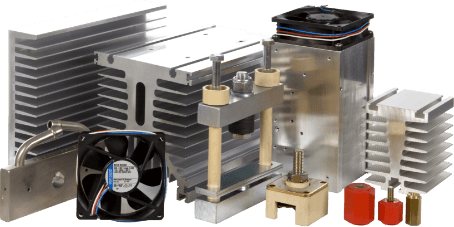
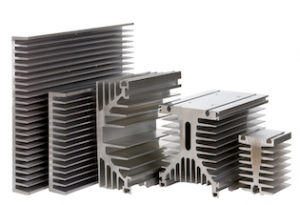
- Specialist heatsink modifications
- Access to discontinued components
This is particularly valuable in the rail, industrial drives, power generation and marine applications.
- Reduced lead time and supply chain risk
Working with specialist distributors like GD Rectifiers reduces:
- International sourcing complexity
- Supply chain bottlenecks
- Emergency freight costs
A consolidated sourcing partner simplifies procurement and improves forecasting accuracy.
How GD Rectifiers’ obsolescence planning can help
Component obsolescence isn’t avoidable, but project delays are.
GD Rectifiers helps companies to implement structured obsolescence strategies benefit from:
- Improved production continuity
- Lower total cost of ownership
- Reduced redesign expenses
- Greater compliance confidence
- Stronger supplier relationships
Reactive component sourcing can lead to inflated component pricing, project overruns, customer dissatisfaction and reputational damage.
GD Rectifiers can help with component sourcing, obsolescence, for further information or to discuss your enquiry, please contact us on 01444 243 452 / enquiries@gdrectifiers.co.uk.