




















19.08.2025
Understanding Harmonic Filters: Benefits, Types & FAQs
Read our guide to understanding harmonic filters and invest in high-quality harmonic filters to ensure cleaner power, reduced costs and longer equipment life
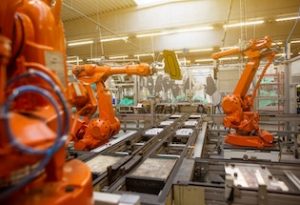
In today’s digital and industrial age, electrical systems are becoming increasingly complex. From data centers to manufacturing plants, almost every facility relies on nonlinear loads—devices like variable frequency drives (VFDs), uninterruptible power supplies (UPS), LED lighting, and computers. While these technologies improve efficiency and productivity, they also introduce a hidden challenge: harmonic distortion.
This is where understanding harmonic filters come in. They are designed to reduce the negative effects of harmonics, protect sensitive equipment, and ensure power quality remains reliable. In this blog, we’ll break down what harmonic filters are, the benefits they provide, different types available, and address common questions customers often ask, to help with understanding harmonic filters.
What are Harmonics in Electrical Systems?
Before diving into harmonic filters and how they work, it’s important to understand harmonics.
In a perfect AC power system, voltage and current follow a smooth sinusoidal waveform. However, when nonlinear loads draw current, they distort this waveform. The distortion introduces harmonic frequencies—integer multiples of the fundamental frequency (50 Hz or 60 Hz).
For example:
- 2nd harmonic = 100/120 Hz
- 3rd harmonic = 150/180 Hz
- 5th harmonic = 250/300 Hz
These harmonics “pollute” the power system, leading to inefficiencies, overheating, equipment malfunctions, and in some cases, system failures.
What is a Harmonic Filter?
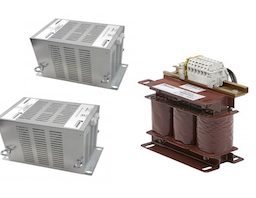
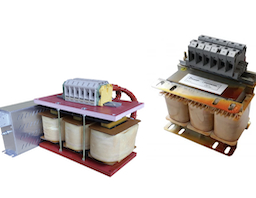
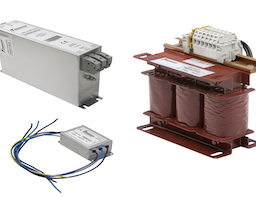
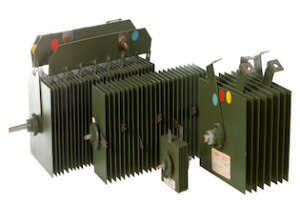
A harmonic filter is an electrical device designed to reduce or eliminate unwanted harmonics from a power system. It works by filtering out certain frequencies, improving power quality and protecting sensitive equipment. Understanding harmonic filters is simple, they are series or parallel resonant circuits designed to shunt or block harmonic currents. By reducing the harmonic currents flowing in the power system from the source, they reduce the harmonic voltage distortion in the system.
Benefits of Harmonic Filters
- Improved Power Quality – reduces voltage distortion and current harmonics for cleaner power.
- Extended Equipment Life – minimise overheating in motors, transformers and cables.
- Energy Savings – less wasted power means lower operating costs.
- Compliance – helps meet IEEE-519 and other harmonic standards.
- Reduced Downtime – protects against premature equipment failure caused by harmonic distortion.
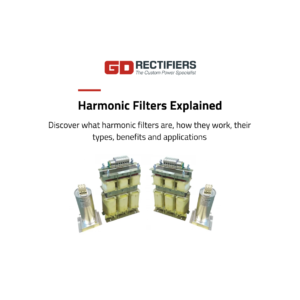
Understanding Harmonic Filters
Types of Harmonic Filters
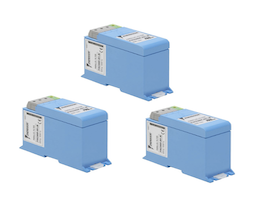
1) Passive Harmonic Filters
- How they work: use inductors, capacitors and resistors to block or absorb specific harmonic frequencies.
- Advantages: cost-effective, reliable, minimal maintenance.
- Best for: fixed loads with known harmonic profiles.
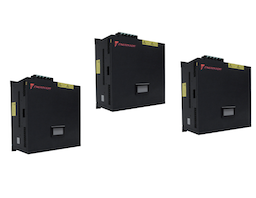
2) Active Harmonic Filters
- How they work: monitor the system and inject counter-harmonic currents in real time.
- Advantages: highly effective, adaptable, can filter multiple harmonic orders simultaneously.
- Best for: systems with variable loads or changing harmonic levels.
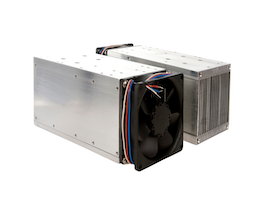
3) Hybrid Harmonic Filters
- How they work: combine passive and active technologies for optimal performance.
- Advantages: high efficiency, broad harmonic mitigation, flexible configuration.
- Best for: large, complex electrical systems with both fixed and dynamic loads.
Harmonic Filter FAQs
1) What causes harmonics in electrical systems?
Non-linear loads such as VFDs, rectifiers, switching power supplies, and certain lighting systems create harmonic currents.
2) How do I know if I need a harmonic filter?
If you experience overheating in cables or transformers, nuisance tripping, high neutral currents, or have a harmonic distortion measurement exceeding limits, a filter is recommended.
3) What’s the difference between passive and active harmonic filters?
Passive filters are tuned to specific harmonic frequencies and work well with predictable loads. Active filters are dynamic and can adjust to varying harmonic conditions in real time.
4) Are harmonic filters required by law?
Not always, but many industries must meet standards like IEEE-519, and certain utility providers impose harmonic limits.
5) Can harmonic filters improve energy efficiency?
Yes, by reducing harmonic-related losses, they improve overall system efficiency and reduce wasted energy.
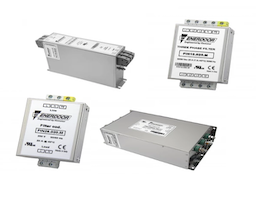
Why Choose Enerdoor Harmonic Filters from GD Rectifiers
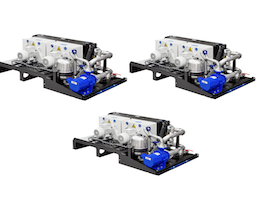
Enerdoor is a global leader in electromagnetic solutions, offering high-performance harmonic filters for industrial, commercial and renewable energy applications. Enerdoor’s filters are known for:
- Exceptional harmonic mitigation performance
- Compliance with global power quality standards
- Robust design for demanding environments
- Wide range of passive, active and hybrid models
GD Rectifiers is the UK’s exclusive distributor of Enerdoor’s harmonic filters, offering:
- Expert technical support to help you match the right filter to your system
- Full product range of Enerdoor solutions
- Fast delivery and competitive pricing
- Over 60 years’ experience in power electronics
Harmonics can quietly erode your systems efficiency, reliability and safety. Investing in high-quality harmonic filter ensures cleaner power, reduced costs and guarantees longer equipment life.
If you’re ready to improve your power quality and need support, speak to our team today on 01444 243 452 or email enquiries@gdrectifiers.co.uk.