






















05.08.2025
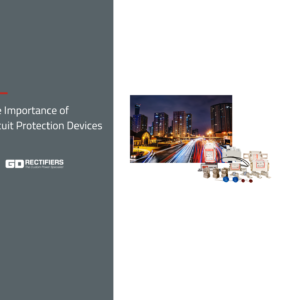
A Comprehensive Guide to Circuit Protection: Types, Applications & FAQs
Explore the most common types of circuit protection devices and the most frequently asked questions we get asked
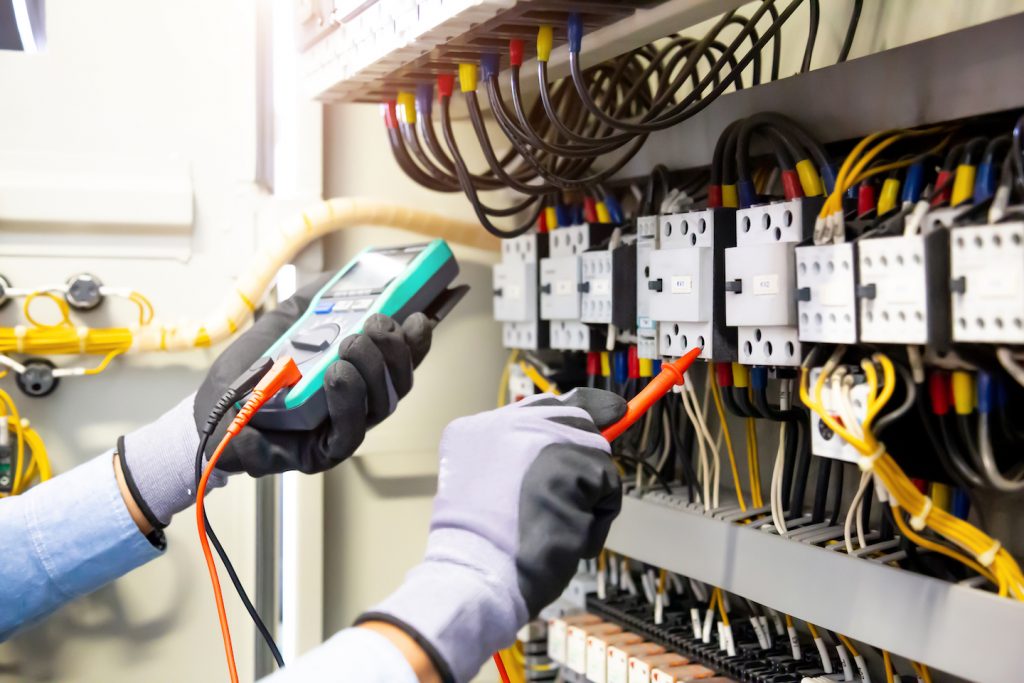
Electrical and electronic systems rely heavily on circuit protection devices, from preventing equipment damage to protecting lives, the right circuit protection device ensures safe and efficient operation.
In this guide we’ll cover what circuit protection is, the main types, frequently asked questions and why GD Rectifiers should be your go-to supplier for high-quality solutions.
Types of Circuit Protection Devices
1) Fuses – a fuse contains a thin wire that melts when current exceeds a safe limit, breaking the circuit.
Advantages: Simple, cost-effective, reliable.
Applications: Consumer electronics, automotive, industrial machinery.
2) Circuit Breakers – resettable devices that automatically disconnect power during an overload or short circuit.
Advantages: Reusable, quick reset, high reliability.
Applications: Residential wiring, industrial control panels, renewable energy systems.
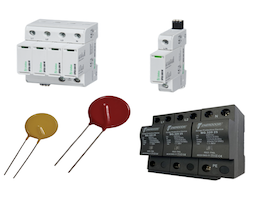
3) Surge Protection Devices (SPDs) – protect against voltage spikes from lightning strikes or switching transients.
Advantages: Prevents costly damage to sensitive electronics.
Applications: Data centres, telecoms, renewable energy, home networks.
4) Thermal Protectors – automatically cut power when a device overheats.
Advantages: Protects motors and transformers from thermal damage.
Applications: Electric motors, pumps, compressors.
5) Varistors and TVS Diodes – suppress and clamp transient voltages, safeguarding electronic circuits.
Advantages: Fast response time, excellent for sensitive circuits.
Applications: power supplies, control boards, automative electronics.
Choosing the Right Circuit Protection Device
When selecting a protection device, buyers should consider:
- System voltage and current ratings
- Fault conditions likely to occur including overcurrent, surge, thermal etc
- Speed of response needed for your application
- Resettable vs. single-use requirements
- Environmental conditions – temperature, humidity, vibration
Circuit Protection FAQs
1) What’s the difference between a fuse and a circuit breaker?
A fuse is a single-use device with a metal element that melts when overloaded, it breaks the circuit and needs replacing after it blows. A circuit breaker performs the same function but can be reset multiple times and resused after tripping.
2) What is a semiconductor fuse, and how is it different from a standard fuse?
A semiconductor fuse is designed specifically to protect sensitive semiconductor devices like diodes, thyristors, IGBTs and MOSFETs.
- Speed: semiconductor fuses react much faster than standard fuses to clear short-circuit currents before they damage delicate components.
- Current limiting: They restrict the peak current let-through, preventing excessive energy from reaching the protected device.
- Construction: Often made with silver fuse elements and special arc-quenching materials to handle very high fault currents. Standard fuses protect wiring and equipment form overloads; semiconductor fuses protect delicate, high-value electornic components from extremely fast and damaging faults.
3) Why are semiconductor fuses important in power electronics?
Semiconductor devices can fail in microseconds, they need ultra-fast protection. Without a semiconductor fuse, a fault could destroy an expensive component and cause further damage to the system.
4) Can I replace a semiconductor fuse with a standard fuse?
No. Standard fuses are not fast enough for semiconductor applications and may allow damage to occur before opening the circuit.
5) Do semiconductor fuses also protect against overloads?
They are primarily designed for short-circuit protection, not prolonged overloads. Overload protection is usually handled by other devices such as circuit breakers or thermal protectors.
6) How do I choose the right semiconductor fuse?
You should match the fuse to your application’s voltage, current rating I2t (energy let-through) and peak let-through current requirements – ideally consulting the equipment manufacturer’s specifications or a technical specialist.
7) Should I keep spare semiconductor fuses on site?
Yes, semiconductor fuses are single-use and critical to system protection, having spares helps to minimise downtime in the event of a fault.
8) Can I oversize a circuit protection device for safety?
No, using an oversized device can leave your equipment unprotected during a fault.
9) Do I need surge protection for my home or business?
Yes – especially if you have sensitive electronics, a history of power surges or operate in an area prone to lightning.
10) How often should I inspect circuit protection devices?
At least once a year, or after any major fault event.
GD Rectifiers’ Industry Leading Circuit Protection Devices
At GD Rectifiers, our line of circuit protection devices includes semiconductor fuses, circuit breakers, and transient voltage suppression (TVS) devices, all designed with the highest quality standards to meet the demands of modern electrical systems.
1) Semiconductor Fuses
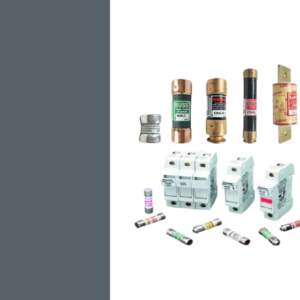
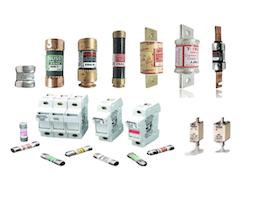
GD Rectifiers offer a comprehensive range of semiconductor fuses, from miniature versions for low-voltage applications to larger, high-voltage fuses designed for industrial and heavy-duty applications. Designed to respond quickly in the event of an overcurrent, breaking the circuit and preventing further damage. One of the key advantages of fuses is their simplicity—once a fuse blows, it is easily replaced, ensuring minimal downtime. GD Rectifiers partner with Bussmann, Mersen and Littelfuse to provide a wide range of semiconductor fuses known for their durability and reliability, meeting stringent international standards, making them ideal for use in sectors such as automotive, renewable energy, and telecommunications.
2) Circuit Breakers
At GD Rectifiers, we supply a range of circuit breakers designed for a variety of applications, from residential settings to large-scale industrial systems. Unlike semiconductor fuses, which need to be replaced after a fault, circuit breakers can simply be reset, making them a more convenient solution for systems where frequent access to the device might be limited or difficult. Circuit breakers are designed to protect against both overloads and short circuits, and they come in various configurations to suit different needs. In addition to traditional circuit breakers, GD Rectifiers provides earth leakage circuit breakers, which are essential for detecting ground faults and preventing electrocution. These devices are particularly important in environments where moisture or water is present, such as bathrooms, kitchens, and outdoor electrical systems.
3) Transient Voltage Suppression (TVS) Devices
GD Rectifiers offers a range of TVS diodes and modules that react quickly to suppress transient voltages, ensuring that connected equipment remains protected. Our TVS devices are designed to handle high-energy surges while maintaining low clamping voltages, making them an excellent choice for protecting everything from household electronics to industrial control systems.
Transient voltage suppression devices are another critical component in a circuit protection portfolio, protecting sensitive electronics from voltage spikes, such as those caused by lightning strikes or power surges. TVS devices are essential in industries like telecommunications, where even a brief voltage spike can cause significant damage to sensitive equipment.
Why Choose GD Rectifiers for Circuit Protection Devices
Custom Solutions and Value-Added Services
One of the major benefits of partnering with GD Rectifiers, is our ability to offer custom solutions tailored to specific customer requirements. In addition to our extensive range of standard products, we also provide bespoke circuit protection devices for applications that require a more tailored approach. This flexibility allows GD Rectifiers to cater to a wide range of industries, including aerospace, rail, and defense, where unique challenges often arise.
Commitment to Quality and Sustainability
Quality is at the core of everything we do. We pride ourself on adhering to the highest industry standards, ensuring that products are not only effective but also safe and reliable. All products are rigorously tested to meet international certifications, such as IEC and UL, ensuring they comply with global safety and performance standards.
In addition to their focus on quality, GD Rectifiers is committed to sustainability. As the world moves toward greener technologies, we are actively developing products that support renewable energy systems and reduce energy consumption. Our circuit protection devices play a crucial role in renewable energy installations, such as solar and wind power systems, where protection from overcurrents and surges is essential.
GD Rectifiers, a renowned British manufacturer and distributor, stands at the forefront of this crucial sector, offering a broad spectrum of circuit protection devices that cater to various industries, from automotive and rail to energy and telecommunications.
Founded in 1964, GD Rectifiers has built a solid reputation for designing, manufacturing, and distributing cutting-edge power electronic components and systems. The company’s extensive portfolio includes circuit protection devices, passive components, semiconductors, capacitors, power supplies and transformers. GD Rectifiers has access to leading circuit protection manufacturers including Eaton Bussmann, Mersen, Enerdoor and Westcode.
A leading name in the field of circuit protection, GD Rectifiers provides innovative solutions that ensure the safety and reliability of electrical systems across various industries. Our extensive product range, combined with the ability to offer custom solutions, makes us a go-to partner for companies seeking dependable protection for their systems.
For further information on circuit protection devices, please contact GD Rectifiers on 01444 243 452 or email enquiries@gdrectifiers.co.uk.