




















06.02.2026
A Complete Guide to Semiconductor Fuses
Discover everything you need to know about semiconductor fuses — what they are, how they work, types, manufacturers, and FAQs.
Introduction
Protecting sensitive power electronics requires robust circuit protection solutions, and semiconductor fuses are designed to do just that. Unlike standard fuses, which protect general electrical circuits, semiconductor fuses offer extremely fast response times to safeguard devices such as IGBTs, diodes, thyristors, and rectifiers from damaging short circuits.
At GD Rectifiers, we specialise in supplying semiconductor fuses from leading global manufacturers to ensure reliable protection for high-value equipment across industries including renewable energy, industrial automation, rail, aerospace, and defence.
This comprehensive guide explores what semiconductor fuses are, how they work, their types, and the brands we distribute.
What is a Semiconductor Fuse?
A semiconductor fuse is often called a high-speed fuse, a protective device specifically engineered to safeguard power semiconductors. These devices respond much faster than conventional fuses, interrupting fault currents before they can damage sensitive electronic components.
Semiconductor Fuses Key characteristics:
- Fast response times: Reacts within microseconds.
- Low I²t values: Reduces energy let-through to the component.
- High breaking capacity: Can safely interrupt very high fault currents.
- Compact design: Optimised for use in power semiconductor circuits.
Semiconductor fuses are commonly found in inverters, converters, rectifiers, UPS systems, and motor drives where the reliability of electronic components is critical.
What is the Difference Between a Fuse and Circuit Breaker?
Both fuses and circuit breakers serve to protect electrical systems, but they operate differently:
- Fuse:
- A sacrificial device that melts when current exceeds rated limits.
- Must be replaced after operation.
- Faster response time, especially semiconductor fuses.
- Circuit Breaker:
- A resettable device that mechanically opens contacts when current exceeds limits.
- Can be manually or automatically reset.
- Slower than fuses, but convenient for distribution circuits.
For protecting semiconductors where milliseconds matter, semiconductor fuses are preferred over circuit breakers due to their fast-acting characteristics.
What is a Fuse Box?
A fuse box is the central hub of an electrical system that houses multiple fuses protecting various circuits. In industrial and residential setups, the fuse box ensures that individual circuits are protected from overloads or short circuits.
Modern systems may use consumer units or circuit breaker panels, but in high-power semiconductor applications, fuse boxes with semiconductor fuses are still vital for safety and reliability.
What is a Switch Fuse Unit?
A switch fuse unit (SFU) combines a switch and a fuse in one enclosure, providing both isolation and protection.
- Switch function: Allows operators to manually disconnect the circuit for maintenance.
- Fuse function: Protects against overcurrent and short-circuits.
Switch fuse units are widely used in industrial power distribution systems where safety isolation and fault protection are required in one device.
How Does a Semiconductor Fuse Work?
Semiconductor fuses work on the principle of melting a fuse element when excessive current flows, but with critical enhancements:
- Fuse element design: Made from silver or copper, optimised for rapid melting.
- Arc-quenching medium: Often sand-filled to absorb energy and extinguish the arc.
- Low I²t rating: Ensures energy let-through during faults is minimal, protecting sensitive semiconductors.
When a short-circuit occurs, the semiconductor fuse interrupts the current within microseconds, preventing damage to expensive power electronics like IGBTs or thyristors.
Different Types of Semiconductor Fuses
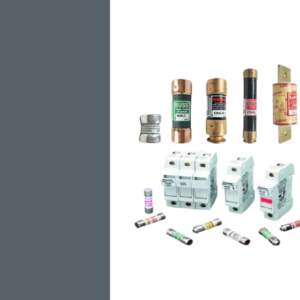
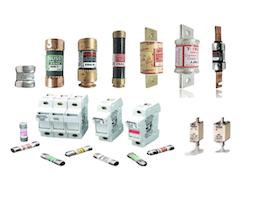
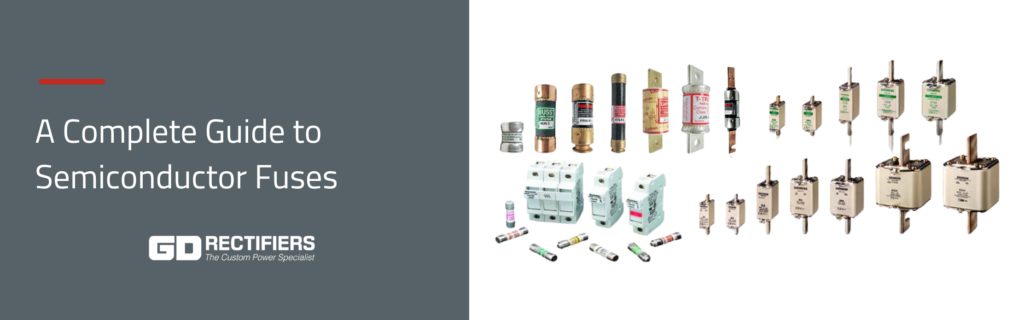
Semiconductor fuses come in various designs depending on application and system requirements:
- Compact, standardised design.
- Easy to mount in fuse holders or busbar assemblies.
- Widely used in industrial drives and inverters.
- Cylindrical design, often with bolted connections.
- Suitable for high-current semiconductor applications.
- Specifically engineered for protecting diodes, IGBTs, and thyristors.
- Extremely low I²t values for minimal let-through energy.
- Axial Lead Fuses
- Designed for PCB mounting.
- Protect smaller semiconductor devices in compact electronics.
- Custom Fuses
- Special configurations for unique applications.
- GD Rectifiers can source and supply tailored fuse solutions for OEMs.
Semiconductor Fuse Manufacturers
GD Rectifiers partners with leading global manufacturers to supply reliable and high-performance semiconductor fuses. Some of the trusted brands include:
- Mersen (previously Ferraz Shawmut): Known for their high-speed semiconductor protection fuses.
- Eaton Bussmann (often referred to as Bussmann): Wide range of industrial and semiconductor fuses.
- SIBA: Specialises in high-breaking capacity fuses.
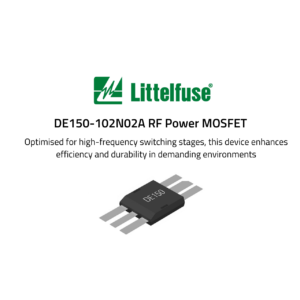
- Littelfuse: Offers fuses for both low-voltage and semiconductor protection applications.
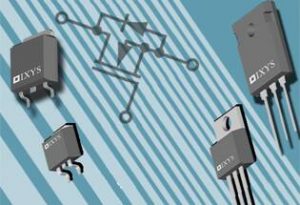
- IXYS UK Westcode (part of Littelfuse): Specialise in ultra-rapid semiconductor fuses designed for high-power applications, engineered for fast-acting, current-limiting sensitive semiconductor devices.
By working with multiple brands, GD Rectifiers ensures customers have access to the right fuse for their application, with expert technical support and guidance.
Semiconductor Fuse FAQs
What makes a semiconductor fuse different from a standard fuse?
Semiconductor fuses are designed for extremely fast response and low I²t, making them suitable for protecting sensitive electronic components.
Can I use a circuit breaker instead of a semiconductor fuse?
No, circuit breakers are too slow to protect power semiconductors from short circuits.
What is I²t in fuses?
I²t is a measure of the energy let-through by a fuse during a fault. Lower I²t values are essential for protecting semiconductors.
How do I select the right semiconductor fuse?
Consider the semiconductor device ratings (voltage, current, I²t), system requirements, and consult datasheets or speak to GD Rectifiers’ technical team.
What applications require semiconductor fuses?
Common applications include inverters, converters, rectifiers, UPS systems, solar and wind power, traction systems, and motor drives.
Do semiconductor fuses need regular maintenance?
While fuses themselves don’t require maintenance, periodic inspection and replacement after faults is essential.
Semiconductor fuses are critical components in modern power electronics, offering fast, reliable protection for sensitive devices. Unlike standard fuses or circuit breakers, semiconductor fuses are engineered to react in microseconds, ensuring semiconductors are safeguarded from costly and damaging short circuits.
At GD Rectifiers, we supply a wide range of semiconductor fuses from trusted manufacturers like Mersen, Eaton Bussmann, Westcode and Littelfuse, ensuring our customers have access to the best solutions for their applications.
Whether you’re designing a new inverter system, maintaining existing equipment, or need replacement fuses, our technical team can help you choose the right product.
Contact GD Rectifiers today to discuss your semiconductor fuse requirements and discover how we can support your project on 01444 243 452 or email enquiries@gdrectifiers.co.uk.